

Frequent Urination at Night in Men: Causes, Warning Signs, Natural Remedies, and How to Sleep Better After 40.
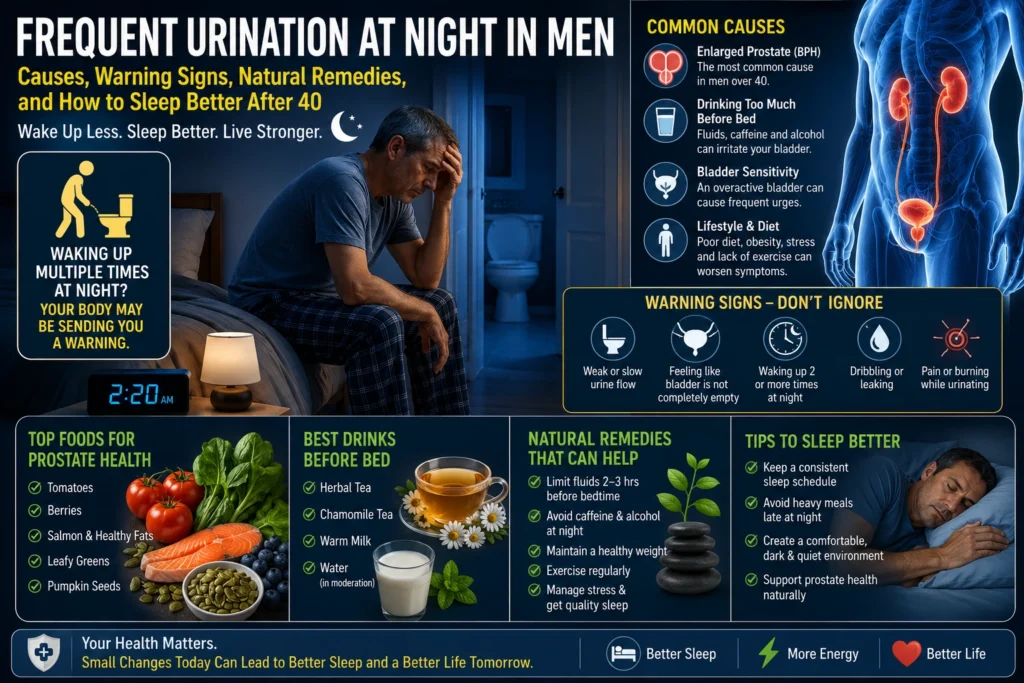
Frequent urination at night, also known as nocturia, affects millions of men across the United States. It disrupts deep sleep, lowers energy levels, reduces focus during the day, and may even impact mood and overall quality of life. For some men, it starts gradually. Others suddenly notice they can’t sleep through the night anymore without multiple trips to the bathroom.
The good news is that there are ways to improve this problem naturally. Understanding the causes, recognizing the warning signs, and making targeted lifestyle changes can help many men regain better bladder control and sleep more comfortably.
In this guide, we’ll cover everything you need to know about frequent urination at night, including the common causes, prostate-related symptoms, foods that help, drinks to avoid, and practical ways to support prostate health naturally.
Waking up once during the night to use the bathroom may not seem like a big deal. But if you’re waking up two, three, or even four times every night just to urinate, it can quickly become exhausting. Many men over 40 experience frequent urination at night and assume it’s simply a normal part of aging. The truth is, your body could be sending you an important message about your bladder health, lifestyle habits, or prostate health.
What Is Frequent Urination at Night?
Frequent urination at night happens when you wake up multiple times during sleep to empty your bladder. While occasional nighttime urination can happen to anyone, regularly waking up more than once or twice may indicate an underlying issue.
Many men describe symptoms such as:
- Feeling an urgent need to urinate at night
- Weak urine flow
- Trouble fully emptying the bladder
- Interrupted sleep
- Daytime fatigue
- Constant pressure in the bladder area
For men over 40, one of the most common causes is changes related to prostate health.
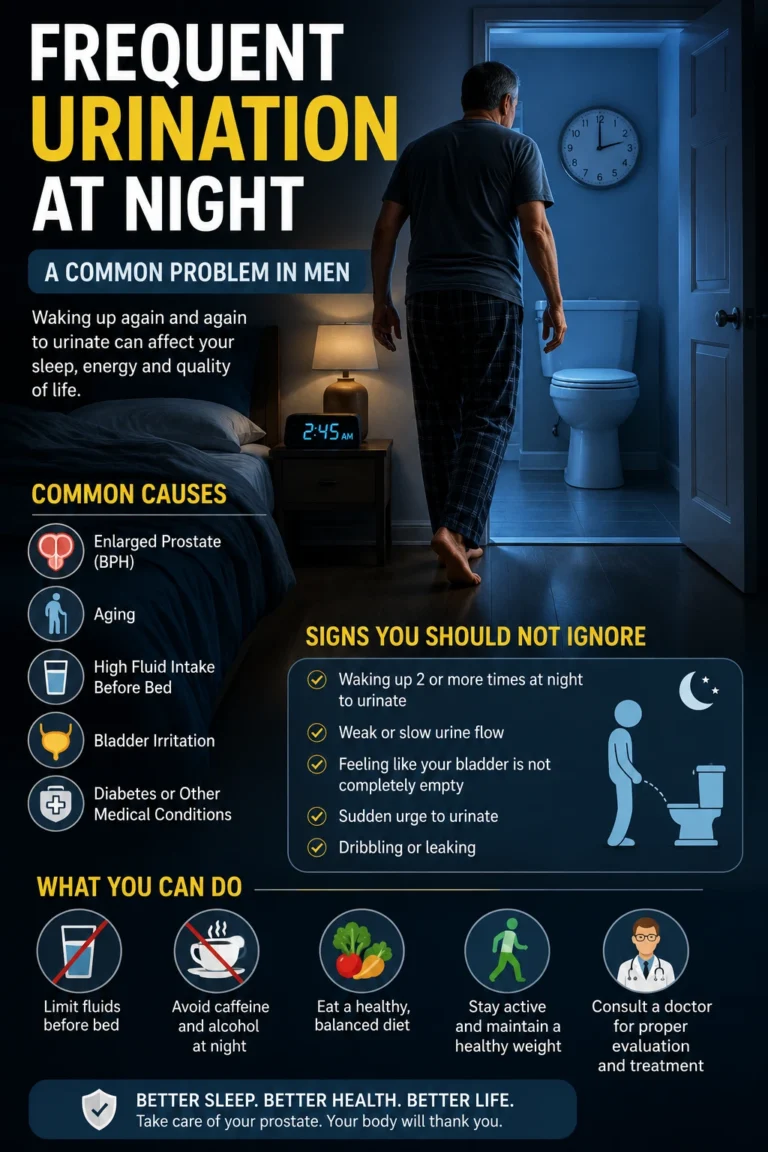
Why Men Over 40 Experience Frequent Urination More Often
As men age, the prostate gland naturally changes. The prostate sits below the bladder and surrounds part of the urethra. When the prostate becomes enlarged, it can place pressure on the urinary tract and affect bladder function.
This may lead to symptoms such as:
- Waking up multiple times at night
- Weak urinary stream
- Difficulty starting urination
- Dribbling after urination
- Feeling like the bladder isn’t completely empty
Many men ignore these signs for years because they assume it’s just part of getting older. However, early attention to prostate and bladder health may help reduce symptoms and improve daily comfort.
Common Causes of Frequent Urination at Night
1. Enlarged Prostate (BPH)
Benign Prostatic Hyperplasia (BPH) is one of the most common causes of nighttime urination in older men. As the prostate enlarges, it can partially block urine flow and irritate the bladder.
This often causes:
- Increased urgency
- Frequent nighttime bathroom trips
- Weak urine stream
- Interrupted sleep
2. Drinking Too Much Before Bed
Consuming large amounts of fluids in the evening can increase nighttime urination. Certain beverages are especially problematic.
Common bladder irritants include:
- Coffee
- Alcohol
- Soda
- Energy drinks
- Highly caffeinated tea
Reducing fluids 2–3 hours before bedtime may help many men sleep longer without interruption.
3. Poor Sleep Habits
Sometimes the issue isn’t just the bladder. Poor sleep patterns, stress, and inconsistent sleep schedules can increase nighttime awakenings, making you more aware of the urge to urinate.
4. Bladder Sensitivity
Some men develop increased bladder sensitivity as they age. This can make the bladder feel full more quickly, even when it contains only a small amount of urine.
5. Lifestyle and Diet
Certain foods and habits may worsen nighttime urination:
- Excess sugar
- Highly processed foods
- Smoking
- Sedentary lifestyle
- Excess weight
A healthier lifestyle may help reduce bladder irritation and improve prostate support naturally.
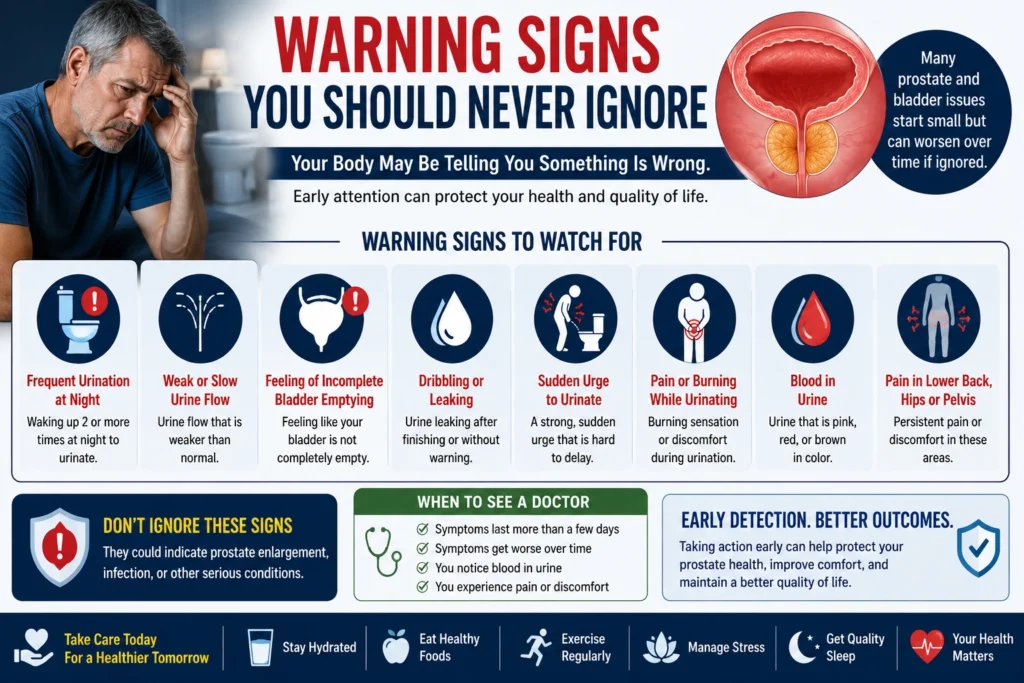
Warning Signs You Should Never Ignore
Frequent urination at night can sometimes signal more serious urinary or prostate-related concerns.
Pay attention if you experience:
- Blood in urine
- Pain or burning during urination
- Severe urgency
- Sudden inability to urinate
- Pelvic pain
- Unexplained weight loss
If symptoms become severe or persistent, consulting a healthcare professional is important.
How Poor Sleep Impacts Your Health
Many men underestimate how damaging interrupted sleep can become over time.
Lack of quality sleep may contribute to:
- Low energy
- Brain fog
- Reduced productivity
- Mood changes
- Increased stress
- Lower physical performance
Sleep is when the body repairs and restores itself. Constant bathroom trips can prevent deep restorative sleep and leave you feeling exhausted the next day.

Top Foods for Prostate Health
Diet plays a major role in overall wellness and may help support bladder and prostate health naturally.
1. Tomatoes
Tomatoes contain lycopene, a powerful antioxidant linked to prostate wellness.
Best sources:
- Cooked tomatoes
- Tomato sauce
- Tomato soup
2. Berries
Blueberries, strawberries, and raspberries contain antioxidants that help support healthy aging.
3. Salmon and Healthy Fats
Omega-3 fatty acids may support overall wellness and reduce inflammation.
4. Leafy Greens
Spinach, kale, and broccoli provide nutrients that support healthy body function.
5. Pumpkin Seeds
Pumpkin seeds are popular for men’s wellness because they contain zinc and healthy nutrients.
Best Drinks Before Bed for Better Bladder Control
What you drink in the evening matters more than many people realize.
Good Choices:
- Water in moderation
- Herbal tea (caffeine-free)
- Warm milk
- Chamomile tea
Drinks to Avoid:
- Coffee
- Alcohol
- Soda
- Energy drinks
- Highly sugary beverages
Reducing caffeine and alcohol intake in the evening may significantly improve nighttime urination.
Natural Ways to Reduce Frequent Urination at Night
1. Limit Evening Fluids
Try reducing fluid intake 2–3 hours before bedtime.
2. Avoid Caffeine Late in the Day
Caffeine stimulates the bladder and may worsen urgency.
3. Maintain a Healthy Weight
Excess body weight may place additional pressure on the bladder.
4. Exercise Regularly
Physical activity supports circulation, metabolism, and overall health.
5. Support Prostate Health Naturally
Many men are exploring natural prostate support options alongside healthier lifestyle habits.
Natural support approaches may include:
- Better nutrition
- Exercise
- Sleep improvements
- Targeted supplements
- Stress reduction
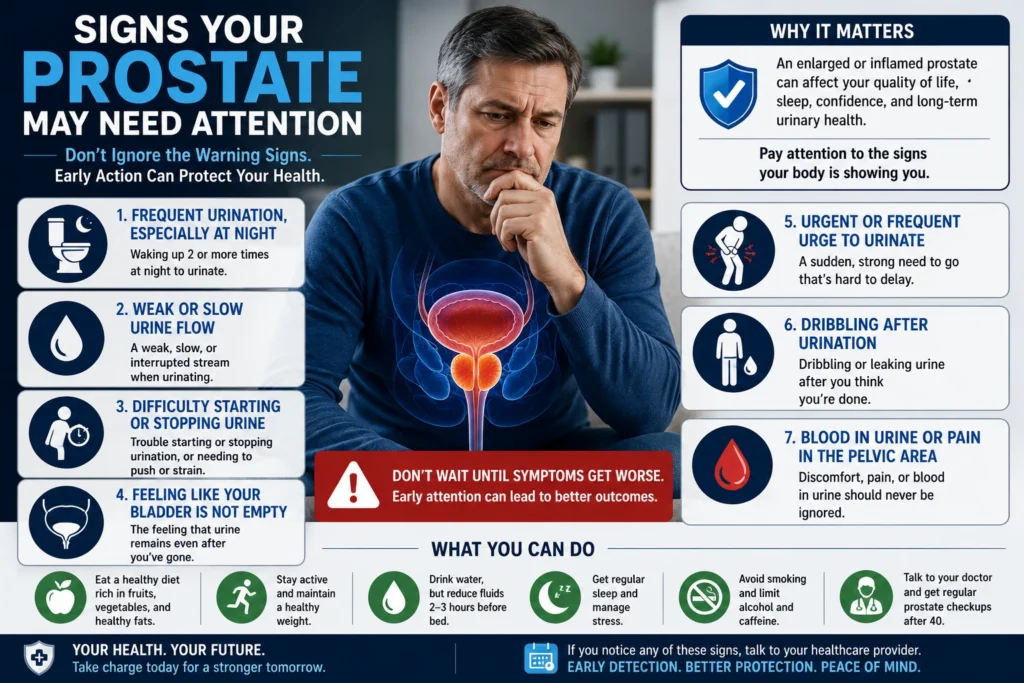
Signs Your Prostate May Need Attention
Your body often gives warning signs before symptoms become severe.
Watch for:
- Weak urine flow
- Nighttime urination
- Difficulty emptying bladder
- Increased urgency
- Interrupted sleep
Taking action early may help improve long-term comfort and wellness.
The Emotional Side of Frequent Urination
Many men feel embarrassed discussing urinary symptoms. Some avoid travel, social events, or overnight stays because they worry about bathroom access.
The reality is that millions of men experience these symptoms. Talking openly and seeking reliable information is an important first step.
Why Natural Prostate Support Is Becoming More Popular
Many men prefer starting with lifestyle improvements and natural wellness strategies before considering more aggressive approaches.
Natural prostate support often focuses on:
- Healthy aging
- Bladder comfort
- Better sleep
- Improved daily energy
- Long-term wellness habits
The key is consistency. Small daily habits can create meaningful improvements over time.
Daily Habits That May Help Improve Bladder Control
Morning
- Stay hydrated early in the day
- Eat a balanced breakfast
- Avoid excessive caffeine
Afternoon
- Stay active
- Reduce processed foods
- Drink water consistently
Evening
- Limit heavy meals late at night
- Avoid alcohol and caffeine
- Reduce fluids before bed
Creating a healthy nighttime routine can help many men sleep more comfortably.
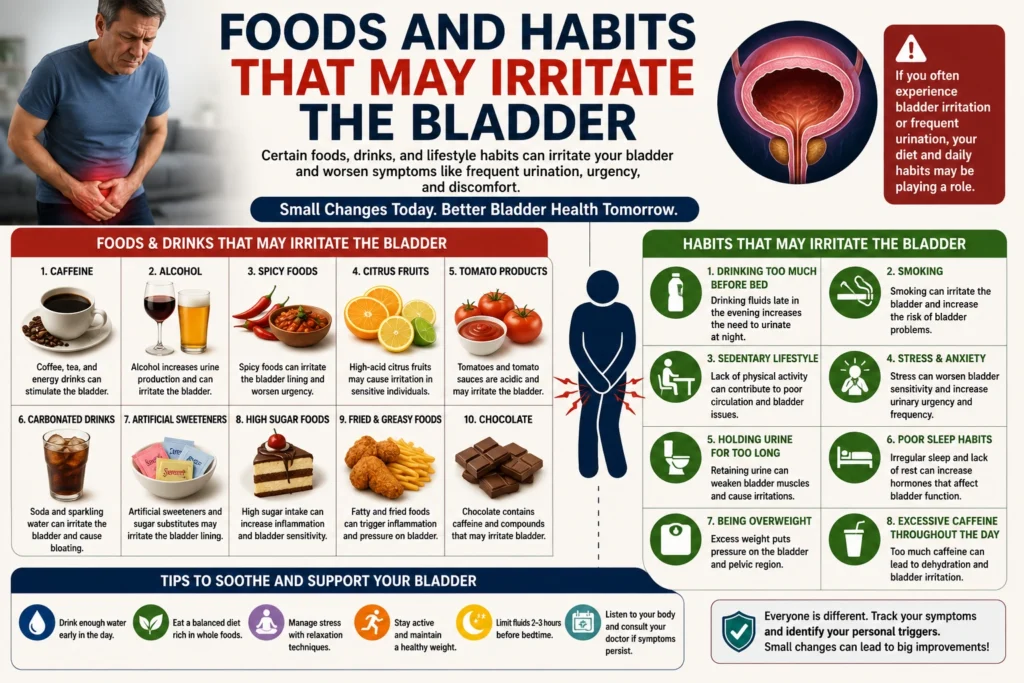
Foods and Habits That May Irritate the Bladder
Certain foods may increase bladder irritation in sensitive individuals.
Common triggers include:
- Spicy foods
- Artificial sweeteners
- Alcohol
- Carbonated drinks
- Excess sugar
Tracking your diet may help identify personal triggers.
The Connection Between Aging and Bladder Health
Aging naturally changes how the body functions. Bladder muscles may weaken over time, and prostate enlargement becomes more common.
However, aging does not mean you should simply ignore symptoms. Healthy lifestyle choices may help support better bladder control and improved quality of life.
When Should You Seek Medical Advice?
Occasional nighttime urination is common. But if symptoms worsen or interfere significantly with your sleep and daily life, it’s worth discussing with a healthcare professional.
Seek guidance if you experience:
- Severe urinary urgency
- Blood in urine
- Painful urination
- Sudden changes in urinary habits
- Persistent nighttime awakenings
Early evaluation may help identify the underlying cause and improve outcomes.
How to Sleep Better Naturally
Better sleep may reduce nighttime awakenings and improve overall health.
Helpful Sleep Tips:
- Keep a consistent bedtime
- Reduce screen time before sleep
- Avoid heavy meals late at night
- Keep the bedroom cool and dark
- Manage stress levels
Good sleep habits work together with bladder and prostate support strategies.
Why Men Ignore the Warning Signs
Many men delay addressing urinary symptoms because:
- They feel embarrassed
- They think it’s normal aging
- They assume symptoms will disappear
Unfortunately, ignoring symptoms often allows the problem to worsen over time.
Taking proactive steps early may help improve comfort, confidence, and sleep quality.
Frequently Asked Questions
Support Your Prostate Health
Frequent nighttime urination alone is usually not prostate cancer, but it should not be ignored — especially in men over 45–50. Getting checked early helps rule out serious conditions and can identify treatable prostate problems before they worsen.
For most adults, waking up to urinate 0–1 times per night is generally considered normal. Waking up 2 or more times regularly may be a sign of an underlying issue such as an enlarged prostate, overactive bladder, diabetes, or excessive fluid intake before bedtime.
As men age, nighttime urination becomes more common — especially after age 50 due to prostate enlargement. However, frequent nighttime urination should not be ignored if it affects sleep or quality of life.
Yes, an enlarged prostate can cause sleep problems. One of the most common symptoms of an enlarged prostate, also known as Benign Prostatic Hyperplasia (BPH), is frequent nighttime urination (nocturia). Many men wake up multiple times during the night to urinate, which can interrupt sleep and lead to fatigue, poor concentration, and daytime tiredness.
An enlarged prostate can press against the urethra and affect normal urine flow, making it harder to fully empty the bladder. This often creates the urge to urinate more frequently, especially at night.
Certain foods may help reduce nighttime urination by supporting bladder and prostate health. Foods rich in antioxidants and anti-inflammatory nutrients, such as tomatoes, pumpkin seeds, salmon, leafy greens, berries, and whole grains, may help improve urinary function and reduce bladder irritation.
It’s also important to avoid foods and drinks that can worsen nighttime urination, especially in the evening. These include caffeine, alcohol, spicy foods, sugary drinks, and carbonated beverages.
In addition to healthy eating, limiting fluids 2–3 hours before bedtime may help reduce nighttime bathroom trips. If frequent nighttime urination continues, it could be related to an enlarged prostate or another underlying condition. A healthcare provider may recommend tests such as a PSA Test to evaluate prostate health.
Men should see a doctor for nocturia if they regularly wake up two or more times a night to urinate, especially if it affects sleep quality, energy levels, or daily life. Frequent nighttime urination can sometimes be linked to conditions such as an enlarged prostate, urinary tract infections, diabetes, overactive bladder, or prostate problems.